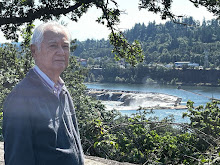
David B. Katague is an online memoirist and cultural essayist whose writing has appeared on HubPages

Monday, August 4, 2025

The Five Stages of Chronic Kidney Disease


This posting is inspired from my recent visit to my nephrologist and my current CKD   Diagnoses. 


Chronic kidney disease (CKD) is classified into five stages, based on how well your kidneys are filtering waste from your blood. This is typically measured by a calculation called the estimated glomerular filtration rate (eGFR):

  1. Stage 1: Kidney function is normal (eGFR 90 or greater).

  2. Stage 2: Mild loss of kidney function (eGFR 60–89).

  3. Stage 3: Moderate loss of kidney function, further divided into:

    • 3a: eGFR 45–59

    • 3b: eGFR 30–44

  4. Stage 4: Severe loss of kidney function (eGFR 15–29, or roughly 15–29% kidney function).

  5. Stage 5: Kidney failure or end-stage renal disease (eGFR less than 15, or less than 15% kidney function).

If a person is in Stage 4 kidney disease, this means their kidney function is between 15% and 29%, so "only 20% of his kidney is functioning" is a correct way to describe someone at Stage 4. This stage often requires close monitoring by a kidney specialist, and preparations may begin for dialysis or transplant if kidney function continues to decline.


In stage 4 chronic kidney disease (CKD), symptoms are more pronounced and can significantly affect daily life, compared to earlier stages where a person may have few or no symptoms. Here’s how symptoms in stage 4 typically differ from the earlier stages:


Common symptoms appearing or worsening in stage 4 CKD:

  • Fatigue and weakness: Due to anemia and buildup of waste products, people often feel very tired and weak, more so than in earlier stages.

  • Swelling (edema): Noticeable swelling in legs, ankles, feet, and sometimes hands and face, due to fluid retention; swelling is usually mild or absent in earlier stages.

  • Shortness of breath: Fluid buildup in lungs or anemia can cause difficulty breathing.

  • Nausea and vomiting: As toxins accumulate, nausea and occasional vomiting become more common in stage 4.

  • Loss of appetite: Eating less and weight loss are more prominent.

  • Changes in urination: Either more frequent urination at night, foamy urine, or much less urine (sometimes unable to urinate).

  • Difficulty concentrating/confusion: The buildup of waste affects mental sharpness and can lead to confusion.

  • Muscle cramps and restless legs: More frequent and severe.

  • Itching: Increased due to high levels of phosphorus and other waste in the blood.

  • High blood pressure: Worsens or may become difficult to control.

Comparison with earlier stages:

  • Early CKD (stages 1-2) is often asymptomatic, sometimes only identified with blood or urine tests.

  • By stage 3, mild symptoms such as fatigue, mild swelling, or urination changes may be present, but often are not severe.

  • Symptoms increase in severity and number by stage 4, with a higher risk of complications affecting multiple body systems.

Summary: Stage 4 CKD is marked by more severe symptoms and complications (especially fatigue, swelling, appetite loss, and mental changes) than the earlier stages, meaning patients typically feel much sicker and daily life is often affected.


What is the expected survival rate of persons with Stage 4, that is what is the average time, this person will lead a fairly normal life?


The expected survival and ability to lead a fairly normal life with stage 4 chronic kidney disease (CKD) is highly variable and depends on factors like age, overall health, how well other conditions are managed (such as diabetes or high blood pressure), and how closely treatment recommendations are followed.

  • On average, studies suggest that older adults (e.g., age 70) newly diagnosed with stage 4 CKD have a life expectancy of about four years. However, this is just an estimate, and many people can live longer—sometimes several years—if they follow their medical plan and maintain a healthy lifestyle.

  • For older patients with high comorbidity or poor health, the median survival has been reported between 1–4 years, with 1-year survival rates ranging from 29% to more than 80% depending on age, severity, and whether dialysis is started.

  • Many people with stage 4 CKD can lead a fairly normal life, especially during the initial part of this stage, if they manage symptoms, control blood pressure, eat a kidney-friendly diet, and remain physically active. However, as kidney function continues to decline, symptoms usually worsen, and normal activities may become progressively more difficult.

Summary: Life expectancy in stage 4 CKD can range from 1 to several years, with some patients living as long as four years or more. The period during which a person leads a "fairly normal" life depends greatly on their overall health, adherence to treatment, and other health conditions. Adhering strictly to medical advice can slow progression and maintain quality of life for as long as possible.


What is the quality of life of a person under Dialysis?


The quality of life (QoL) for patients on dialysis is generally lower compared to healthy individuals and is affected by multiple physical, psychological, and social factors:


Patients on hemodialysis often experience chronic fatigue, poor sleep quality, pain, nausea, vomiting, and limitations in physical activity which impact their daily life. They may also suffer from emotional challenges such as anxiety, depression, and feelings of helplessness. The strict dialysis schedule and dependency on equipment and dialysis centers can limit their ability to travel, work, or engage in social activities.


Patients on peritoneal dialysis tend to report somewhat better QoL in some areas, such as more flexibility, less dietary restriction, less dependence on healthcare personnel, and a greater sense of life meaning and social engagement, although they may face other challenges like depression.


The mental health and emotional well-being of dialysis patients can be significantly affected due to the chronic nature of kidney failure and dialysis treatment. Many experience worry, helplessness, and a negative outlook on the future, which further reduces their QoL.


Caregivers of dialysis patients also experience a reduced quality of life, especially physically and mentally, reflecting the burden of caring for someone on dialysis.


Despite these challenges, many patients do feel better after starting dialysis as it reduces toxin buildup and treats anemia, which can improve energy levels and well-being compared to pre-dialysis kidney failure. However, the overall impact of dialysis on daily life remains substantial.


In summary, dialysis patients generally face a reduced quality of life with multiple physical and psychological burdens. However, quality of life can vary depending on the type of dialysis, support systems, and individual coping mechanisms. Personalized care, psychological support, and flexible treatment options can help improve outcomes for dialysis patients.


What is hemodialysis versus peritoneal dialysis


Hemodialysis and peritoneal dialysis are two types of dialysis treatments used to filter and remove waste, excess fluid, and toxins from the blood when the kidneys are no longer functioning adequately.


Hemodialysis:


Blood is removed from the body and filtered through a machine called a dialyzer (artificial kidney).The machine cleans the blood and then returns it to the body.Usually performed in a dialysis center or hospital, but can sometimes be done at home. Typically requires about three to four-hour sessions, three times a week.Needles are placed in a vein at each treatment to access the blood.Causes intermittent filtration and fluid removal.Suitable for patients who want healthcare professionals to manage the treatment.


Peritoneal Dialysis:


Uses the body's own peritoneum (lining of the abdominal cavity) as a natural filter.A dialysis solution (dialysate) is infused into the abdomen through a surgically placed catheter. Waste products and excess fluids pass from blood vessels in the peritoneum into the dialysis fluid. The fluid is later drained and replaced; this exchange can be done multiple times daily or overnight using a machine.Can be done at home, work, or any clean space, providing more independence and flexibility. Less dietary restrictions, continuous filtering means less buildup of waste and fluid. Patients do not require needles as with hemodialysis but require training to perform the exchanges.


Summary of Differences:

FeatureHemodialysisPeritoneal Dialysis
Filtering mechanismMachine-based extracorporeal blood filtrationUses body's peritoneum as a natural filter
Frequency & durationAbout 3-4 hours, 3 times/weekContinuous or daily exchanges, time varies
LocationUsually in-center, sometimes at homeUsually at home or anywhere clean and private
InvasivenessRequires needle access to veinsRequires catheter surgically placed in abdomen
Lifestyle impactMore disruption; fixed scheduleMore flexible; performed by the patient
Dietary restrictionsMore restrictiveLess restrictive
Suitable forPatients needing healthcare supervisionPatients able to manage self-care, no abdominal issues

Choosing between them depends on individual health conditions, lifestyle, personal preference, and kidney function.


Meanwhile, here's my Photo of the Day 


Lastly, here's my posting on Food  and Drinks to Avoid if you have CKD

Sunday, August 3, 2025

How to Delay the Aging Process

I have written several articles on how to delay the aging process in my blogs. However, I have never summarized it formally. This posting will do the trick. 

Science, Lifestyle, and Mindset

Aging is a natural part of life, but that doesn’t mean we’re powerless against it. While we can’t stop the clock, science and centuries of wisdom suggest we can slow it downThe goal isn’t to chase youth but to pursue vitality, strength, and clarity for as long as possible. Delaying the aging process means investing in your health, habits, and outlook — starting now.

🧬 The Science Behind Aging

At its core, aging is cellular. As we age, our cells accumulate damage from factors like oxidative stress, inflammation, and environmental toxins. Our DNA gets worn, telomeres (the protective caps on chromosomes) shorten, and our body becomes less efficient at repairing itself.

Fortunately, research in longevity science — including groundbreaking studies on intermittent fasting, senolytics, and plant compounds — is revealing how we can influence these biological processes.

🌿 1. Nutrition: You Are What You Eat (and Don’t Eat)

The most powerful way to slow aging is through your diet.

  • Eat more plants: A diet rich in antioxidants, vitamins, and fiber — found in fruits, vegetables, nuts, and legumes — reduces inflammation and oxidative damage.

  • Limit sugar and processed foods: Excess sugar accelerates glycation, a process that damages collagen and leads to wrinkles and organ aging.

  • Try intermittent fasting or time-restricted eating: These approaches promote autophagy — the body’s way of cleaning out damaged cells.

  • Include omega-3s and healthy fats: Think salmon, flaxseeds, avocados, and olive oil.

🏃‍♂️ 2. Move Daily: Exercise Is the Closest Thing to an Anti-Aging Pill

Exercise is a biological reset. It improves heart health, enhances brain function, strengthens bones, and preserves muscle mass.

  • Aim for at least 150 minutes of moderate aerobic exercise weekly.

  • Incorporate resistance training to maintain muscle and metabolism.

  • Add balance and flexibility work like yoga or tai chi — especially important as we age.

😴 3. Prioritize Sleep: Your Body’s Nightly Repair Mechanism

Sleep is when your body heals and regenerates. Lack of sleep accelerates cellular aging and increases the risk of chronic diseases.

  • Aim for 7–9 hours of quality sleep per night.

  • Maintain a consistent sleep schedule.

  • Create a cool, dark, device-free environment for rest.

🧘‍♀️ 4. Manage Stress: Chronic Stress Ages the Brain and Body

Stress activates cortisol, which — in high levels — can shrink brain tissue, suppress the immune system, and speed up aging.

  • Practice meditation, prayer, or deep breathing.

  • Connect with others: Strong social ties reduce stress and promote longevity.

  • Engage in purposeful activities: Volunteering, hobbies, and meaningful work support emotional resilience.

🧪 5. Supplements and Longevity Research

Some supplements show promise in promoting longevity:

  • Resveratrol, found in red wine and grapes, may support mitochondrial function.

  • NMN and NAD+ boosters are being studied for their role in energy metabolism and DNA repair.

  • Vitamin D, magnesium, and B12 are essential for cellular health — especially in older adults.

(Always consult a healthcare provider before starting new supplements.)

🧠 6. Keep Your Mind Sharp

Mental aging is as important as physical aging.

  • Lifelong learning keeps your brain plastic and adaptable.

  • Play games, learn new skills, read, or write regularly.

  • Stay curious and socially engaged — isolation accelerates cognitive decline.

❤️ 7. Cultivate a Positive Outlook on Aging

Studies show that people with a positive view of aging live 7.5 years longer on average. Accepting — and even embracing — the aging process as a journey filled with wisdom, perspective, and new opportunities can have real health benefits.

“Age is an issue of mind over matter. If you don’t mind, it doesn’t matter.” – Mark Twain


Final Thoughts

Delaying aging isn't about chasing youth — it’s about preserving vitality. It’s about living well, not just longer. By integrating healthy habits, nourishing your body and mind, and staying connected to purpose and people, you can add life to your years — and years to your life.   

Food For Thought: To slow down aging, focus on healthy habits like regular exercise, a balanced diet, sufficient sleep, and stress managementProtect your skin from sun damage, avoid smoking and excessive alcohol, and stay socially engaged.Adopting these practices can promote overall well-being and potentially slow down the aging process

Meanwhile, Did you know that....
Aging doesn’t happen smoothly. We grow fast in childhood, stay steady in early adulthood, and later start to age more quickly. A new study has found a major turning point around age 50, when this speed-up becomes more noticeable.
Scientists studied proteins—tiny parts in our bodies that help cells and organs work—using tissue samples from 76 people aged 14 to 68. These samples came from seven body systems, including the heart and blood vessels, digestive organs, immune system, glands, lungs, skin, muscles, and blood. They found that many proteins linked to illnesses such as heart disease, liver problems, tissue scarring, and some cancers became more common with age.
The biggest changes happened between ages 45 and 55, especially in the aorta, the body’s main artery. The pancreas and spleen also showed steady decline. To test this, the team gave young mice a protein linked to aging from human aortas. These mice lost strength, stamina, balance, and coordination, and showed signs of older blood vessels.
Other research has shown aging “peaks” at ages 44 and 60, suggesting aging happens in steps, not evenly. Different body parts age at different times, which may explain why certain health issues appear at specific ages.

Knowing when each organ changes could help doctors create treatments to slow the process, especially for blood vessels, which seem to age sooner. The study’s results give a clearer view of how aging works and mark age 50 as a key point when the body starts to decline faster.

Lastly, here are the 5 Affordable Cities in the World- Where You Can Live Well

Finance Buzz has revealed five cities where you can enjoy a high standard of living without draining your wallet:
Bari, Italy – A coastal gem with rich culture and surprisingly low costs.
Cape Town, South Africa – Stunning scenery and affordable living in the Mother City.
Cebu, Philippines – Tropical vibes meet city convenience on a budget.
Hamilton, Australia – An Aussie city that’s easy on your finances.
Hanoi, Vietnam – Historic charm and low expenses in Vietnam’s capital.

If you’re dreaming of a better life abroad, these spots prove you don’t need a fortune to live well.

Another THD Fun Activity-Art, Wine and Music

Yesterday's Saturday Afternoon Activity ( see brochure above) was super fun as advertised. Our Host Camille was generous with the wine (I had 2 glasses of chardonnay) and our art teacher was great. I think this was the first time we had Art work, wine and beautiful background music ( I could have dance ( paint ) all night ) (afternoon) all together in one hour. I took some photos and love to share it with you.


Meanwhile here are my two creations:


Awakening and Discovering my Inner Picaso. I did this in less than 20 minutes, The rest of the hour, I am sipping chardonnay and humming to the music of "I could have dance all Night". My next seat artist told me I should have sang, I could have paint all afternoon.     

Thank You, Camille for being a great host. Hopefully you read this blog! 

Lastly, My Dinner for August 2, plus A SENIORITA BREAD, from a neighbor. Thank you, Doris R. for your thoughtfulness. 

Señorita bread, also known as Spanish bread, has a delightful combination of sweet and savory flavorsIt's a soft, buttery bread roll filled with a sweet sugar paste, often with a topping of crispy breadcrumbs. The texture is soft and slightly crisp on the outside due to the breadcrumbs. 

You can buy Señorita Bread here (East Bay):

https://www.yelp.com/biz/starbread-bakery-pleasant-hill  

Saturday, August 2, 2025

Chair Volleyball- Introducing our Two Students Volunteers in Activity

 Chair Volleyball is a highly popular and inclusive activity in many senior living communities across the United States and beyond. It's a fun, social, and low-impact sport designed especially for older adults, including those with limited mobility.

🏐 What is Chair Volleyball?

Chair volleyball is essentially regular volleyball played while seated. The core rules are adapted to suit seniors:

  • Players sit in chairs (usually in a circle or across a net).

  • lightweight beach ball or balloon is used instead of a regulation volleyball.

  • net (often around 5–6 feet tall) divides the teams.

  • Standard volleyball rules are simplified for accessibility and safety.

  • Games are typically played indoors in common areas like recreation or activity rooms.


❤️ Why Seniors Love It

  1. Low-impact & Safe: Ideal for those with joint issues, arthritis, or mobility limitations.

  2. Social Engagement: Encourages laughter, communication, and bonding.

  3. Boosts Physical Activity: Improves upper-body strength, reflexes, and hand-eye coordination.

  4. Mental Stimulation: Enhances alertness, memory, and quick decision-making.

  5. InclusiveEveryone can participate, even wheelchair users.


📈 How Popular is It?

Chair volleyball has become a staple in senior activity calendars. Its popularity is growing rapidly:

  • Assisted Living Facilities, Memory Care Units, and Active Senior Communities often list chair volleyball among their top group activities.

  • National organizations like the National Senior Games Association (NSGA) and senior wellness programs promote it.

  • Facilities often host in-house tournaments or inter-community leagues.

  • Many senior centers report high participation rates, sometimes with waiting lists or scheduled rotations due to demand.

Some facilities even get creative with themes, team uniforms, or music, making it a festive weekly event. We had A Chair Volleyball Mini Olympic Tournament last year here at THD.  


🧠 Health Benefits Backed by Experts

Studies and geriatric wellness experts highlight the benefits of chair volleyball in:

  • Improving mood and reducing depression in older adults

  • Combating isolation, especially post-pandemic

  • Encouraging routine physical movement, which supports cardiovascular and muscular health


📌 Final Thoughts

Chair volleyball is more than just a game—it’s a vehicle for connection, movement, and joy. It helps seniors feel engaged, empowered, and part of a community, which is why it continues to gain popularity across senior living environments.


I asked my reliable and smart writing Assistant to write a blog post on Chair Volleyball. Here it is for your reading pleasure.  Here at THD we have chair Volleyball every Thursday morning every week and  every Second and Fourth Tuesdays of the Month. The Thursday scheduling was the result of my suggestion to Our Activity Personnel based from several request from a number of Our THD residents. 

2. 🏐 Sit, Serve, Smile: The Joy of Chair Volleyball in Senior Living

In senior living communities across the country, one activity is creating laughter-filled rooms, friendly rivalries, and a sense of belonging like no other: Chair Volleyball.

Far from your typical seated activity, chair volleyball combines movement, teamwork, and lots of fun, making it a favorite among older adults—regardless of physical ability or athletic background.


What is Chair Volleyball?

Chair Volleyball is exactly what it sounds like: volleyball played while sitting down. It uses a light beach ball or balloon and a lowered net, allowing players to pass, spike, and serve—right from their chairs.

This clever twist on a classic sport brings the thrill of the game without the strain. It’s perfect for those with mobility concerns, joint sensitivity, or anyone just looking to have a good time while staying active.


Why Seniors Love It ❤️

1. It’s Inclusive
Anyone can join—whether you use a walker, wheelchair, or just prefer a gentler form of exercise. Everyone plays together, side-by-side.

2. It’s Active, But Gentle
Upper-body movement, quick reflexes, and light cardio all come into play. It keeps the body moving without putting stress on knees or hips.

3. It Builds Community
Laughter is guaranteed. Teammates become friends, and games often turn into weekly highlights with cheers, inside jokes, and shared memories.

4. It Boosts Mood
Engaging in this playful competition can help reduce feelings of loneliness, increase endorphins, and even improve cognitive focus.


Health Benefits That Make a Difference

Studies show that regular participation in group activities like chair volleyball can:

  • Improve mental alertness

  • Enhance hand-eye coordination

  • Increase social connection

  • Reduce stress and depression

  • Encourage a routine for physical movement


How to Get Involved

Whether you're a lifelong athlete or new to group games, Chair Volleyball is open to everyone. Just show up, sit down, and join in the fun. Your activities director or wellness coordinator can help you find the next scheduled game.

And don’t worry—no volleyball skills required. The only thing you need is a willingness to play and a good sense of humor.


Final Serve: More Than a Game

Chair volleyball is proof that age doesn’t bench your spirit. It's not just about scoring points—it's about staying connected, active, and joyful.

So grab a seat, stretch your arms, and get ready to serve up some fun. We'll see you at the next game!

💜Cory- with his half Smile 

💚Ronan is 17 years old and will start his Senior year this Fall at Monte Vista High School.  He plan to study business or hospitality Management in College. His Dream Job is to be a Private Chef. Ronan believes that his volunteering here at THD can add value to his resume for his college application. He is a grandson of one of our neighbors here at THD, Marilyn Dillman    

💜Cory is also 17 years old and the same class with Ronan at Monte Vista High School. They are best friends. In his free time, he like to play basketball and video games. Moreover, he loves hiking in several mountain trails in the area.   

Please don't forget to say Hello to our student interns if you see them in the Lobby. We really appreciate their help and enthusiasm. Ronan and Cory are assisting us on Tuesdays and Thursdays during our chair volleyball, corn hole and ladder ball games. Both are also here on Fridays during our Cocktail/Happy Hour. Their internship will end at the start of the school year this September.   

Linkwithin

Related Posts Plugin for WordPress, Blogger...